
How Trauma Affects Your Body: The Hidden Physical Impact of Emotional Pain
Trauma doesn’t just live in your memories. It lives in your body.
For many women, trauma isn’t always loud or obvious. It doesn’t always look like breakdowns or visible distress. Sometimes, it shows up quietly, woven into everyday life through tension, fatigue, and a body that never quite feels at ease.
When you’ve experienced trauma, your nervous system adapts to survive. Your body learns to stay alert, even when there is no immediate danger. This is often called “survival mode,” and while it once protected you, it can become exhausting over time.
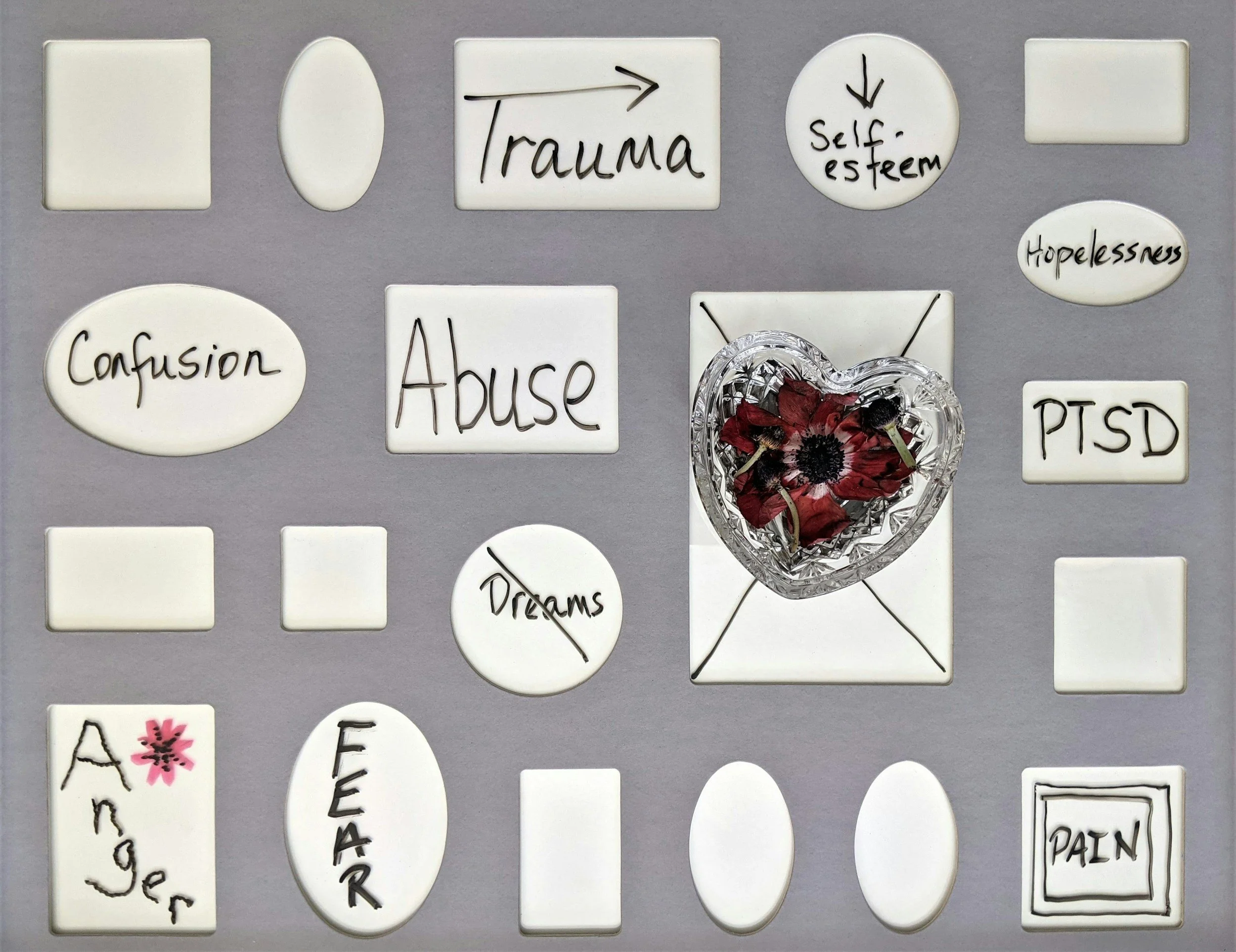
You might notice it in the small ways first. Tightness in your chest that doesn’t seem to go away. Shoulders that stay lifted like they’re bracing for something. Shallow breathing. Trouble sleeping. A constant undercurrent of anxiety you can’t fully explain.
This isn’t weakness. This is your body remembering.
Trauma can impact the nervous system, keeping it stuck between fight, flight, freeze, or fawn responses. Instead of returning to a calm baseline, your body stays activated. Over time, this can affect digestion, hormone balance, immune function, and even how your brain processes emotions and stress.
That’s why healing isn’t just about “thinking differently.” You can’t logic your way out of something your body is still holding onto.
Healing begins when your body starts to feel safe again.
This doesn’t happen overnight, and it doesn’t require perfection. It starts in small, gentle ways. Deep breathing. Slowing down. Noticing where you hold tension and giving yourself permission to release it. Creating moments where your body can experience calm without fear following close behind.
You are not broken for feeling this way. Your body adapted the best way it knew how.
And the same body that learned survival can also learn peace.
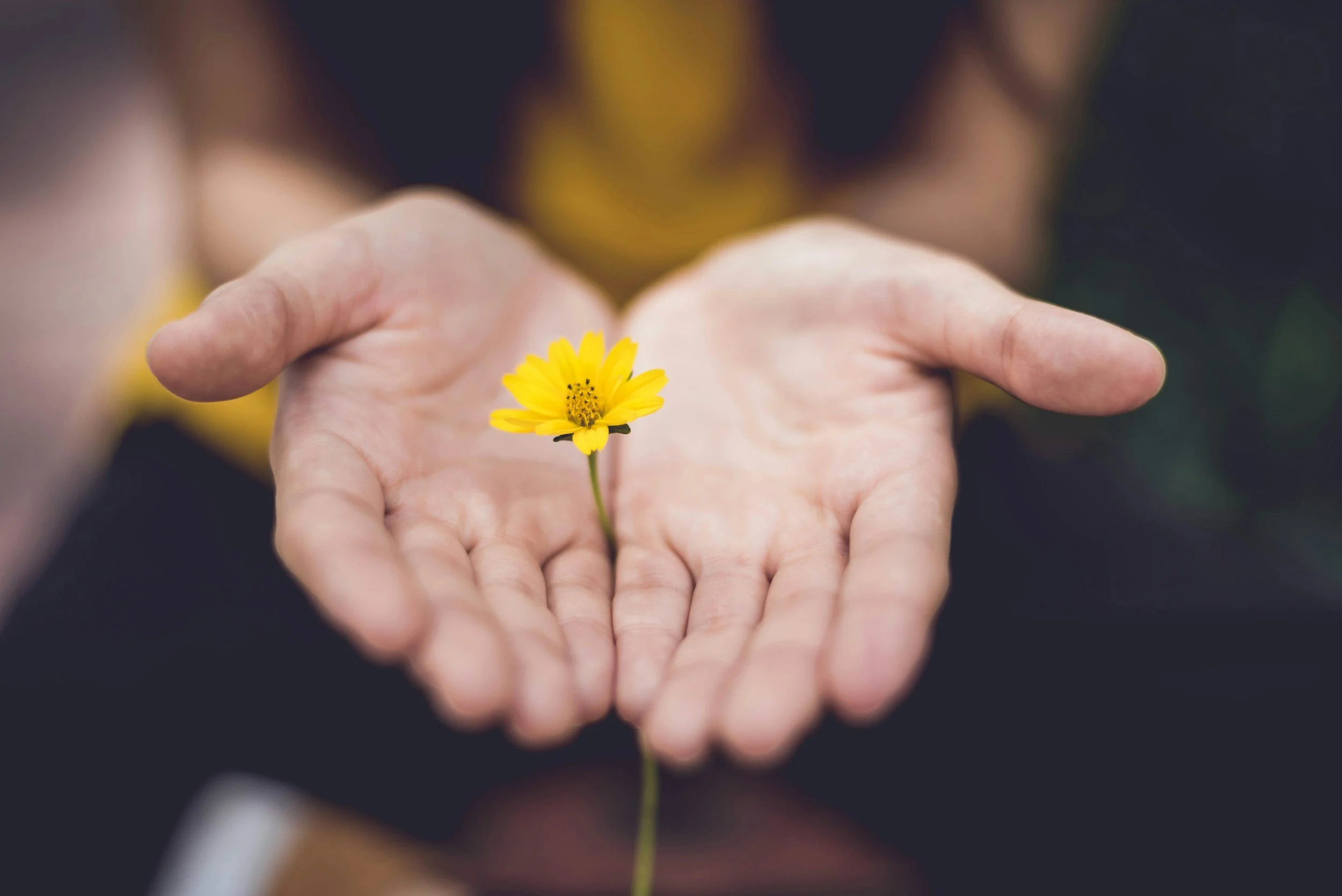
Over time, with consistency and compassion, your nervous system can begin to reset. Your breath can deepen. Your shoulders can soften. Sleep can return. You can begin to feel present in your own life again instead of constantly bracing for what might happen next.
Trauma may have shaped your body, but it does not have to define it.
Healing is not about erasing what happened. It’s about creating a new relationship with your body—one rooted in safety, trust, and care.
And that is where everything begins.
