
Growing Up Girly
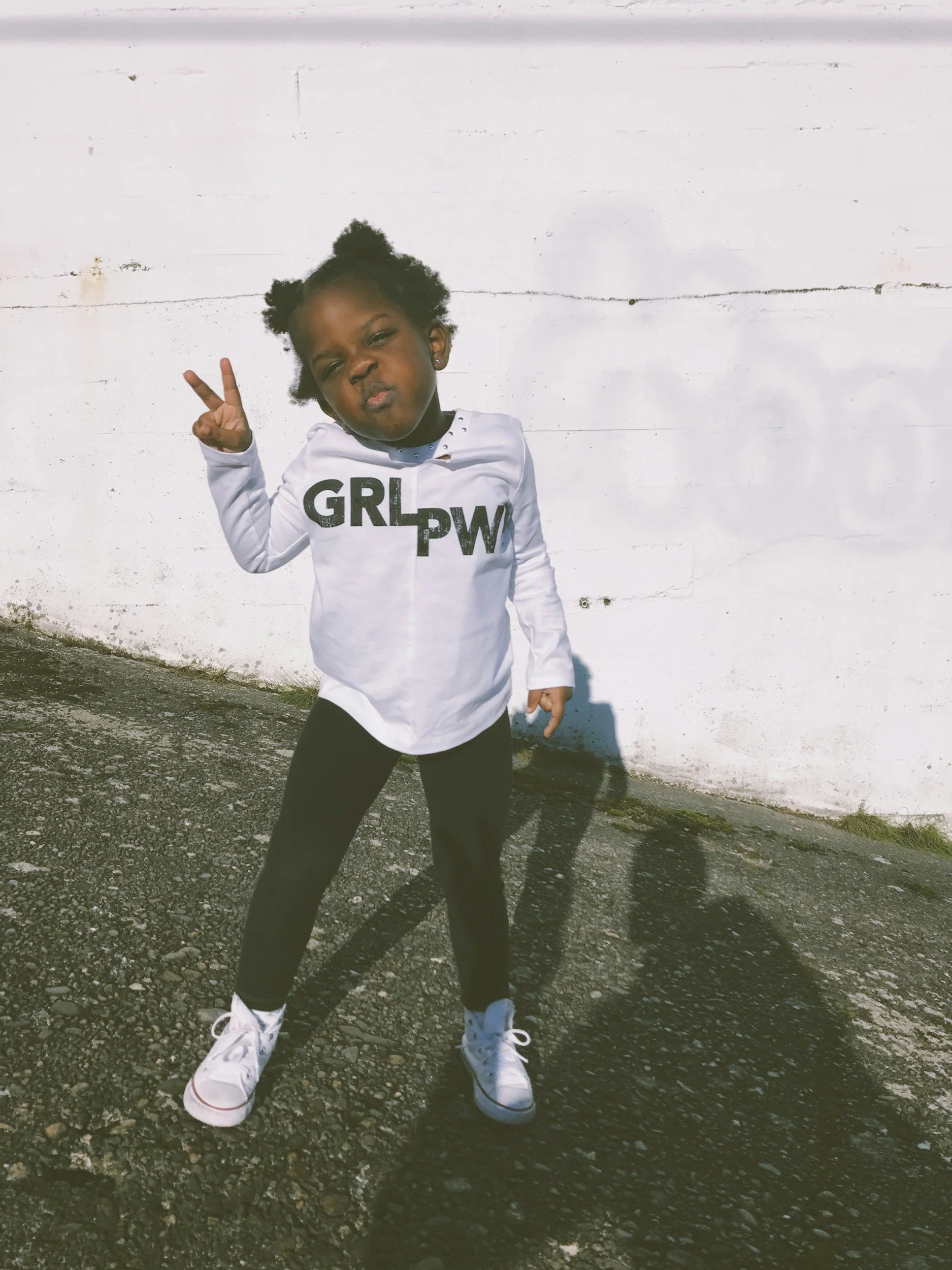
I learned what power was by watching it be denied to me
I grew up being told exactly where women belonged.
My father said things like, “Women are weak,” often and casually, like it was a fact everyone already agreed on. He believed women shouldn’t be firefighters or police officers because they’re physically weaker, because it isn’t fair that they’re given easier tests or allowances for being frail. Strength, in his eyes, was male by default. Women were exceptions at best.
Those messages weren’t subtle. They were constant.
At the same time, I watched my mother say yes to whatever my father wanted, even when she had previously said no. They didn’t argue much, and from the outside it probably looked peaceful. But I never once saw my mother stand up for herself. Or for me. And that did something to my understanding of love.
I learned early that harmony could be purchased with self-erasure.
I was told I cried too much. That I laughed too loud. My body was monitored closely. I was shamed for wearing anything other than T-shirts or high necklines. My father made sure to tell me when I was getting “pudgy.” My mother’s comments were quieter but constant. “Put some color on your face,” she’d say while pinching my cheeks. “You need to carry a purse. You’re a lady.”
Femininity, I learned, was something to police.
Then there were the Bible lectures. Regular reminders that women were meant to submit. That they weren’t suited for decision-making or independence. That their purpose was to obey their husband, raise the children, and keep the house in order. Men held the power. Women settled for scraps. This wasn’t framed as cruelty. It was framed as order. As morality. As God’s design.
And yet.
I watched my mother go to work while battling cancer. I watched her go to chemo and then go right back upstairs to finish a shift at the hospital. Even at her weakest, she carried strength in her body. Quiet, relentless strength. The kind that doesn’t announce itself. The kind that just keeps going.
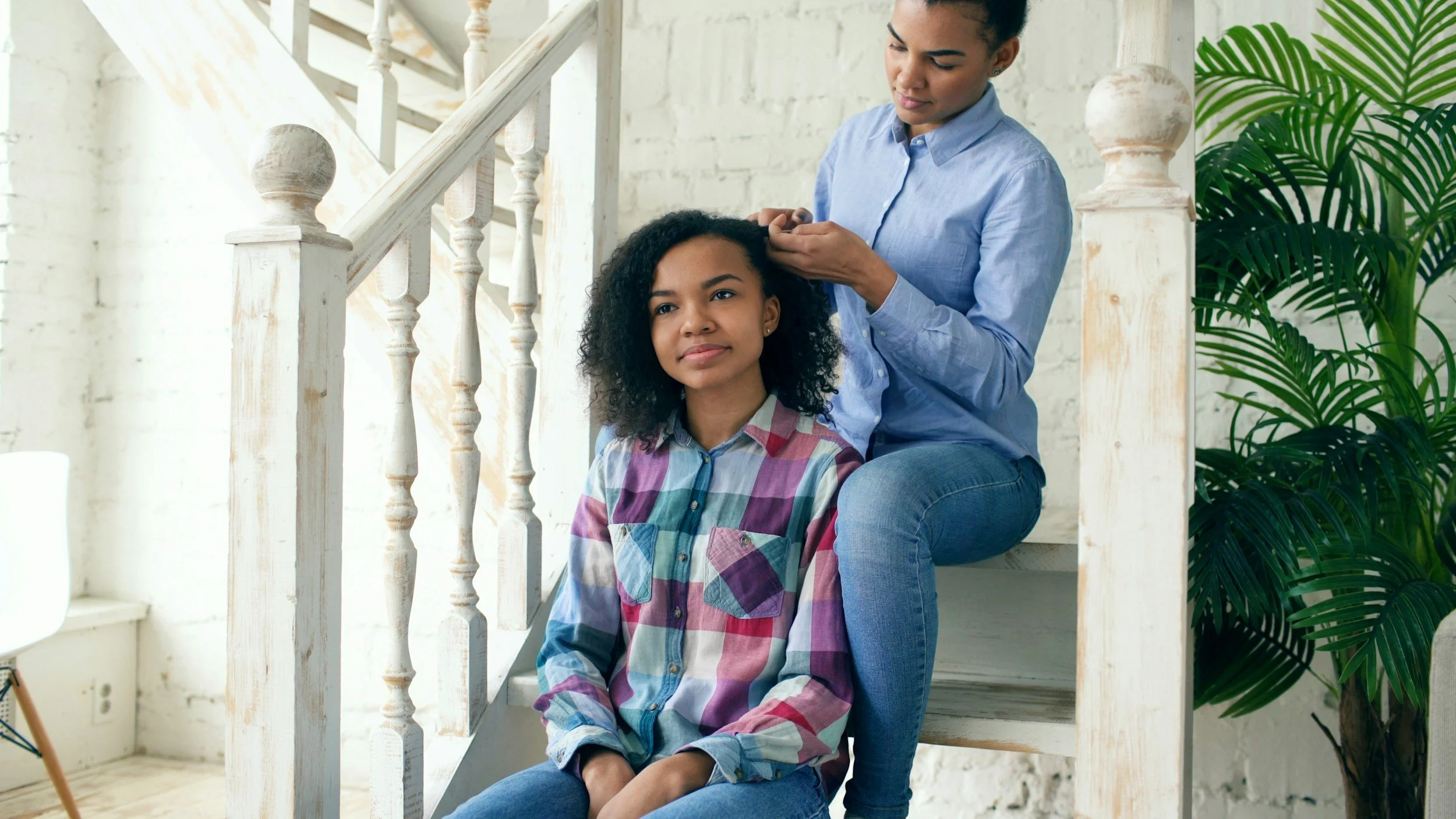
That contradiction never left me.
On one hand, my worldview was shaped to be male-centered. To lack self-worth. To believe power lived somewhere outside of me and would never fully belong to me. On the other hand, I witnessed a kind of strength that didn’t match the story I was being told.
And I knew, deep down, that I carried it too.
It took time for that knowing to become something I could stand in. It took years and some truly damaging relationships to sharpen it, to let it breathe, to separate power from dominance and worth from obedience. I had to unlearn the idea that being strong meant being silent, agreeable, or small enough to be loved.
Healing didn’t look like rejecting everything I was taught overnight. It looked like slowly reclaiming my body, my voice, and my authority. It looked like recognizing that my sensitivity wasn’t weakness. That my emotions weren’t excess. That my presence wasn’t something to apologize for.
I didn’t grow into power by becoming hardened or bitter. I grew into it by accepting myself fully, even the parts I was taught to suppress.
I saw power before I was allowed to name it.
I lived under systems that tried to deny it.
And eventually, I claimed it anyway.
Not by force.
Not by domination.
But by refusing to disappear.
And that, for me, was the beginning of strength.
